Understanding Rental Agreements: What’s Standard in Singapore?
Breakdown of typical lease terms, deposit requirements, and tenant responsibilities. Know what’s negotiable before you sign.
Why Rental Agreements Matter
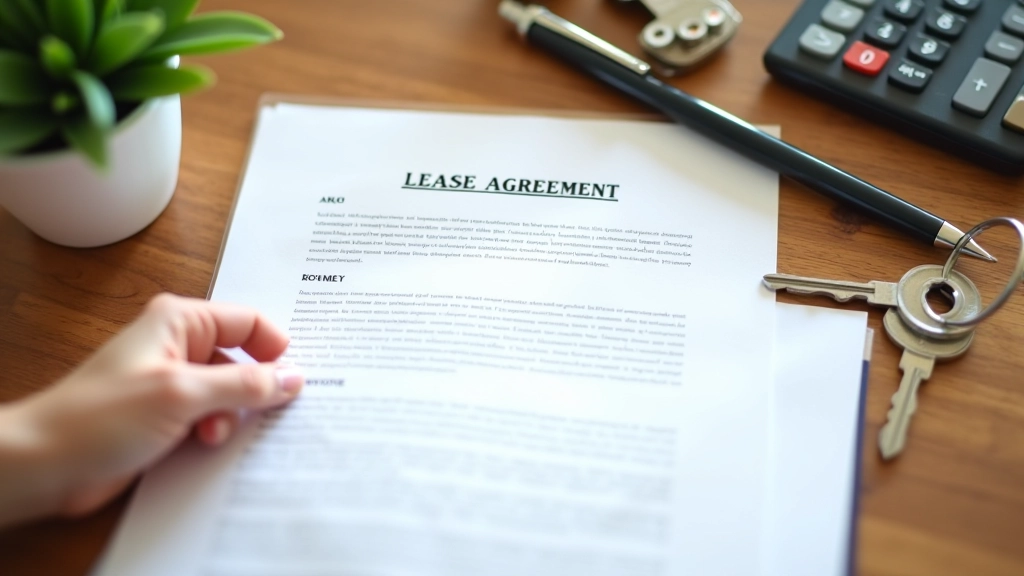
When you’re searching for a place in Singapore, the lease agreement is where everything gets official. It’s the document that protects both you and the landlord — and honestly, most tenants don’t read it carefully enough before signing.
The good news? Standard lease agreements in Singapore follow fairly consistent patterns. We’ve analyzed dozens of leases from across the island, and there’s a predictable structure to what landlords ask for and what’s actually negotiable. Understanding these elements upfront saves you headaches later.
Key deposit components you’ll encounter
Months is the standard lease duration
Of lease clauses are actually negotiable
Deposit Requirements: What You’ll Pay Upfront
Most Singapore leases require a deposit — that’s the standard. You’ll typically see one or two months’ rent held as security. Here’s what you need to know: this isn’t extra money the landlord’s keeping. It’s collateral.
The deposit structure usually breaks down like this. One month covers potential damage to the unit. Another month (if required) covers unpaid rent or utilities. Some landlords ask for an additional amount for renovation or carpet cleaning — this is where negotiation happens. You can push back on the third component, especially if you’re moving into a freshly renovated space.
- First month’s rent: Security deposit for damages
- One additional month: Covers unpaid rent/utilities
- Renovation fund (optional): Usually 1,000–2,500 SGD, negotiable
- Agent commission: Typically 0.5–1 month’s rent if agent involved
The key point? Don’t hand over money before seeing the lease in writing. And ask for an itemized list of what each deposit portion covers.


Lease Duration and Renewal Terms
Singapore residential leases typically run for 24 months. That’s the standard you’ll see most often. Some landlords offer 12-month terms — those are less common but definitely possible if you’re flexible or willing to negotiate.
Here’s what matters for renewals. Most leases include a renewal clause. The landlord can increase rent at renewal, but there’s usually a limit — most agreements cap increases at 5–10 percent. You’ll want to check this before signing because you might be locked into that number for the next cycle.
The notice period for non-renewal typically runs 2–3 months. That means if you’re not renewing, you need to tell the landlord 60–90 days before your lease ends. Same applies if they’re not renewing you. This gives both parties time to plan.
One negotiable point: ask if there’s a clause protecting you from sudden, dramatic rent increases. Some leases cap annual increases — worth discussing before you sign.
Maintenance and Repair Responsibilities
This is where a lot of confusion happens. Most leases clearly state what the tenant maintains and what the landlord handles. Typically? You’re responsible for keeping the place clean and reporting damage promptly. The landlord handles structural issues and major systems like plumbing and electrical.
But it gets specific. Air conditioning repairs — landlord’s responsibility if the unit came with it. Light fixtures and switches? You handle those if they’re minor, landlord covers replacements. Kitchen appliances depend on whether they’re built-in or portable. Read this section carefully because disputes often start here.
A practical tip: take photos of the unit’s condition on move-in day. Document everything — walls, floors, appliances, damage. Send these to the landlord in writing. When you move out, you’ll have proof of what was already there versus what you caused. This protects your deposit significantly.
Important Note
This article provides general information about standard rental agreements in Singapore. Lease terms vary between landlords, and laws may change. Always consult the actual lease document, and consider speaking with a property consultant or legal advisor if you’re unsure about any clause. This information isn’t legal advice — it’s meant to help you understand what to expect.

Negotiable Clauses and Red Flags
Not everything in a lease is set in stone. About 60 percent of standard clauses can be negotiated if you ask. Most landlords expect this — they put in a standard form, tenants propose changes, and you meet somewhere in the middle.
Common negotiation points include the renovation deposit amount (often you can reduce or eliminate this), early termination fees (some leases penalize you heavily for breaking early — push for flexibility), and pet policies (if applicable). You can also negotiate rent amount, especially if you’re signing a longer lease or paying several months upfront.
Watch for red flags. Clauses requiring you to pay for utilities during vacancies? Push back. Restrictions preventing you from having guests or working from home? Unreasonable. Vague language about “normal wear and tear” — insist on specifics because that’s where deposit disputes happen. If a landlord refuses to clarify or negotiate reasonable terms, that’s often a sign of future problems.
Key Takeaways Before You Sign
You’ve got this. Singapore rental agreements follow fairly predictable patterns, and most landlords are reasonable about discussion. The deposit typically runs 2–3 months’ rent depending on what’s included. The standard lease is 24 months, though 12-month terms exist. Maintenance responsibilities are usually clear, and about 60 percent of clauses can be adjusted.
Here’s what matters most: read the whole agreement before signing. Don’t skim it. Ask questions about anything unclear. Get everything in writing. Document the unit’s condition on move-in day. And don’t hesitate to negotiate — most landlords expect it.
The lease protects both of you. It’s not adversarial — it’s just the formal record of your rental arrangement. Understanding what’s in it puts you in control of the process.

Related Articles